
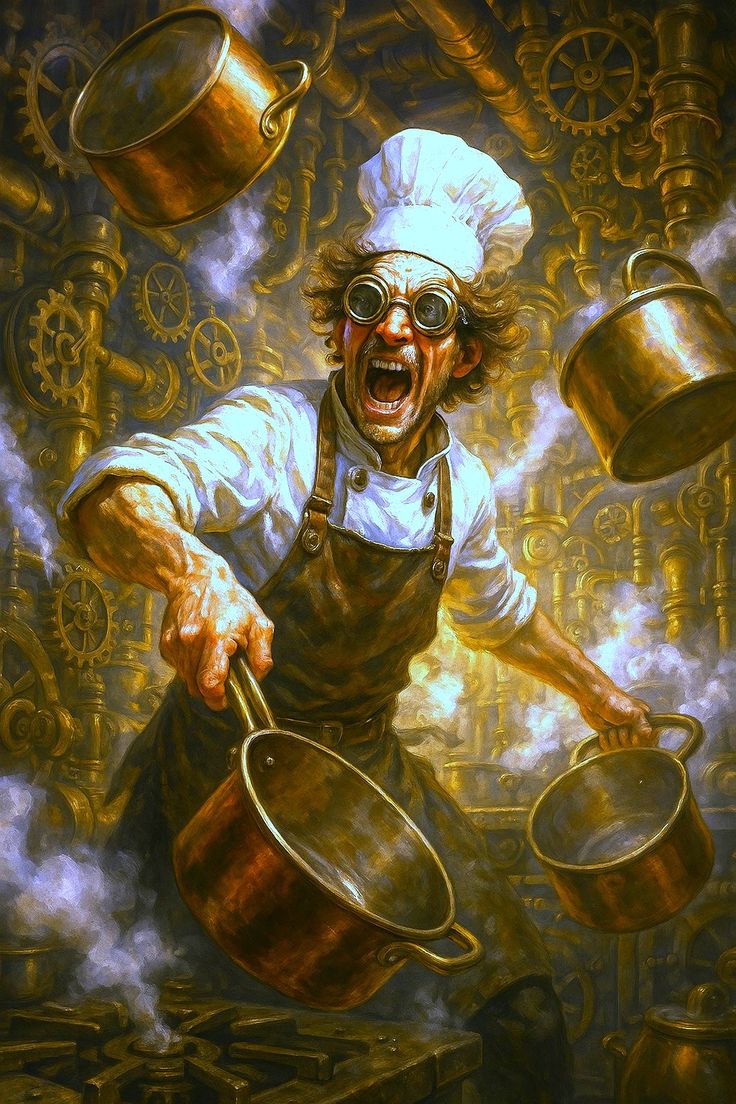
First Heading: Essential Tools That Save Time and Reduce Frustration
Modern kitchen success does not require dozens of gadgets. The Good Cooker Chas recommends five essential tools for efficiency. A sharp chef’s knife (eight inches) thegoodcookerchas.com reduces prep time and prevents accidents. A large wooden cutting board protects your knife and gives you working space. A twelve-inch stainless steel skillet with straight sides handles everything from searing to sauces. A heavy-bottomed pot (four to six quarts) works for soups, pasta, and stews. Finally, a sheet pan with a wire rack roasts vegetables and proteins evenly. Avoid unitaskers like avocado slicers or electric herb choppers. They clutter drawers and slow you down. Chas also suggests one digital instant-read thermometer. It eliminates guesswork for meats, baked goods, and even oil temperature. With these six items, you can cook ninety percent of meals. Spend money on quality for the knife and skillet. Buy the rest secondhand or affordably. Success comes from mastery of simple tools, not a crowded kitchen.
Second Heading: The Weekly Fifteen-Minute Prep Routine
Busy people need systems, not willpower. The Good Cooker Chas created a fifteen-minute weekly prep routine that changes everything. Set a timer for fifteen minutes on Sunday or your day off. First, wash and chop two or three sturdy vegetables like onions, bell peppers, or carrots. Store them in airtight containers. Second, cook one batch of grains (rice, quinoa, or farro). Third, make a simple sauce or dressing: vinaigrette, yogurt herb sauce, or tahini lemon. Fourth, hard-boil four to six eggs for quick protein. That is it. Do not try to prep every ingredient. Do not spend hours meal prepping. This small effort means on weeknights, your vegetables are ready, your grain is cooked, and your sauce adds instant flavor. You can throw together a grain bowl, fried rice, or quick soup in ten minutes. The mental relief of having components ready prevents takeout temptation. Consistency matters more than quantity. Fifteen minutes weekly creates a rhythm of success without burnout.
Third Heading: Mastering the Art of Flexible Substitutions
Recipe rigidity kills modern kitchen confidence. The Good Cooker Chas teaches flexible substitution rules that work every time. For vegetables, any cooking green (spinach, kale, chard) swaps for another. Any roasting vegetable (broccoli, cauliflower, Brussels sprouts) swaps freely. For proteins, chicken works for turkey, pork, or firm tofu. Ground meat replaces any other ground meat. For dairy, yogurt substitutes for sour cream or buttermilk. Milk substitutes for cream by adding a pat of butter. For herbs, dried can replace fresh at a one-to-three ratio. For acids, lemon juice, vinegar, or white wine all brighten dishes. The only strict rules involve baking: leavening agents and flour ratios must stay accurate. For stovetop cooking, remember this Chas mantra: taste as you go. If a swap changes flavor, adjust with salt, acid, or a sweet element like honey. Keep a substitution chart on your fridge for two weeks. Soon you will not need it. Flexibility becomes automatic. Freedom follows.
Fourth Heading: Time-Saving Techniques Without Sacrificing Quality
Modern cooks want speed but refuse bland food. The Good Cooker Chas offers five time-saving techniques that protect flavor. First, cook grains in bulk and freeze in portions. Reheat in a microwave with a damp paper towel. Second, use frozen garlic and ginger cubes instead of mincing fresh. Third, roast a double batch of vegetables and reheat them in a hot skillet for crispiness. Fourth, make “emergency meal jars”: layer cooked rice, beans, vegetables, and sauce in a mason jar. Store in the fridge for three days. Microwave for two minutes. Fifth, use your oven’s broiler for fast browning. Vegetables that take thirty minutes to roast take eight minutes under the broiler. Chas warns against one common mistake: skipping the browning step to save time. Browning adds flavor in two minutes that cannot be recovered later. Prioritize that step. Everything else can be shortcut. Speed is good. Bland food is not. Balance is the key to modern kitchen success.
Fifth Heading: Cleaning and Organization for Smooth Workflow
A messy kitchen creates mental friction. The Good Cooker Chas advocates for the “clean as you go” method. While food cooks, wash cutting boards, put away spices, and wipe counters. By the time the meal finishes, only the serving dishes and one pan remain. This small habit prevents the dreaded pile of dishes after eating. Organization also matters. Store spices alphabetically or by cuisine (Italian, Mexican, Asian). Keep frequently used tools on a magnetic strip or in a countertop crock. Place pots and pans near the stove. Chas recommends a weekly five-minute reset: throw away expired items, wipe cabinet handles, and reorganize your countertop. A calm kitchen invites cooking. A chaotic kitchen repels it. You do not need a professional renovation. You need systems that match how you actually cook. If you always reach for olive oil, keep it on the counter. If you never use a spiralizer, donate it. Organization serves you, not the other way around. Modern success starts with a kitchen that works for your real life.